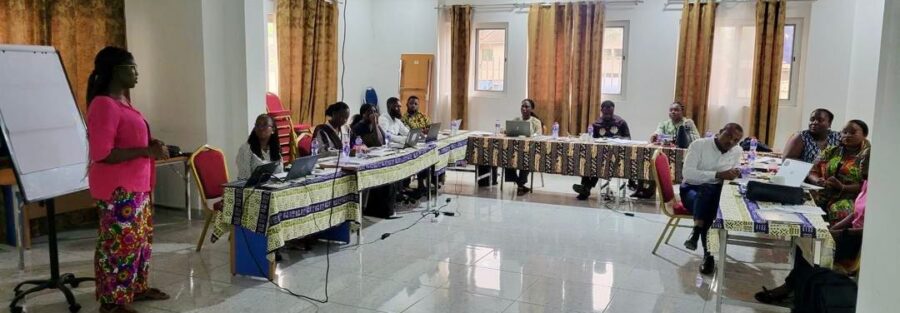
ARHR, with funding support from UNFPA Ghana, successfully concluded a two-day National Reproductive Health Education (RHE) Advocacy Strategy Planning Workshop. The workshop brought together key stakeholders to develop a coordinated national approach to advancing RHE for adolescents and young people in Ghana.
The workshop aimed to address gaps in adolescent sexual and reproductive health advocacy, including misinformation, fragmented efforts, and socio-cultural resistance. By fostering collaboration, the workshop sought to create a unified roadmap to strengthen RHE delivery at national and sub-national levels.
Day 1: Participants engaged in an in-depth review of Ghana’s current RHE landscape, identifying key achievements, policy gaps, and resistance factors. Interactive sessions included stakeholder mapping, group discussions on advocacy barriers, and prioritization of issues requiring collective action. These activities helped establish a shared understanding of the environment for RHE advocacy.
Day 2: Focus shifted to action planning. Participants refined priority advocacy issues, developed clear, value-based messaging, and worked collaboratively to draft a SMART advocacy roadmap. Discussions emphasized coordinated strategies to address misinformation, engage policy champions, and strengthen the collective voice of CSOs and youth networks in promoting RHE.
Key Outcomes
The two-day workshop produced several strategic outputs:
- A shared understanding of Ghana’s RHE landscape, including barriers and opportunities
- A validated stakeholder map highlighting key actors and champions
- Draft advocacy priorities and messaging strategies
- A preliminary advocacy roadmap with actionable steps, timelines, and responsible actors
- Strengthened partnerships and collaboration among stakeholders
Looking ahead, ARHR and partners will continue to refine the advocacy roadmap and engage key policy actors to support nationwide RHE implementation. The workshop reinforced the importance of collaboration, culturally sensitive messaging, and evidence-based advocacy in advancing adolescent sexual and reproductive health in Ghana.