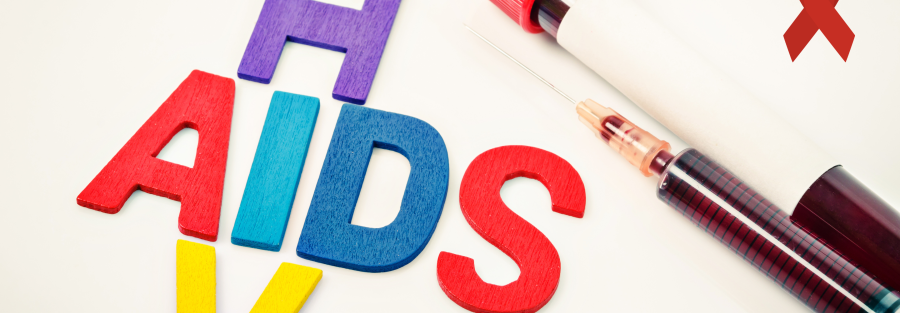
For decades, Ghana has made steady progress in the fight against HIV. Expanded access to testing, treatment, and public education has helped save thousands of lives. Despite these gains, HIV remains a major public health concern, one that continues to affect families, communities, and the health system. Recent data from the Ghana AIDS Commission (GAC) and international partners reveal both encouraging progress and worrying gaps that demand urgent attention.
The Prevalence of HIV in Ghana
According to the 2024 National HIV Estimates and Projections, approximately 334,721 people are currently living with HIV in Ghana. Women account for the majority of this population, with about 229,261 females representing roughly 68.5 percent, compared to 105,460 males, or about 31.5 percent. Children aged 0 to 14 years account for 18,229 cases, representing approximately 5.4 percent of the total. Although children make up the smallest share, the number remains deeply concerning and highlights the ongoing challenge of preventing mother-to-child transmission and protecting vulnerable populations.
The national adult HIV prevalence rate among people aged 15 to 49 years stands at 1.49 percent. In 2024 alone, Ghana recorded 15,290 new HIV infections, translating to an average of about 42 to 50 new cases every day. During the same period, AIDS-related deaths reached 12,614, underscoring that HIV continues to claim thousands of lives each year despite the availability of effective treatment.
Regional Hotspots and Uneven Burden
The HIV epidemic in Ghana is unevenly distributed across the country, with significant variations in prevalence across regions and populations. Greater Accra has the highest number of people living with HIV, estimated at 77,821, and also records the highest number of new infections. The Bono Region has the highest adult prevalence rate at 2.22 percent, while the Dormaa East District stands out with an especially alarming district-level prevalence of 5.36 percent. These regional and district-level differences show that HIV in Ghana is not only a national issue but also a localized, community-level crisis that requires targeted, data-driven responses.
Progress Toward Global Targets
Ghana is working toward the UNAIDS 95-95-95 targets, which aim for 95 percent of people living with HIV to know their status, 95 percent of those diagnosed to be on treatment, and 95 percent of those on treatment to achieve viral suppression. Currently, about 68 percent of people living with HIV in Ghana know their status, 69 percent of those diagnosed are receiving antiretroviral treatment, and 90 percent of those on treatment have achieved viral suppression. While the high rate of viral suppression among those on treatment is encouraging, the largest gaps remain in testing and treatment coverage. Too many people still do not know their HIV status, and too many who are diagnosed are not yet on sustained treatment, limiting Ghana’s ability to fully control the epidemic.
A New Era: Long-Acting HIV Prevention on the Horizon
In a major development, the Ghana AIDS Commission has announced plans to introduce long-acting Lenacapavir injections by 2026 as part of new HIV prevention strategies. Lenacapavir is a first-in-class, long-acting HIV-1 capsid inhibitor administered as a subcutaneous injection just twice a year. This innovation offers a powerful new option for both HIV prevention through pre-exposure prophylaxis (PrEP) and for treatment, particularly in cases of multi-drug-resistant HIV. Approved under the brand names Sunlenca for treatment and Yeztugo for PrEP, Lenacapavir has the potential to significantly reduce HIV transmission and transform long-term HIV management in Ghana.
For many people, this could be a game-changer. The twice-yearly dosing could greatly improve adherence for individuals who struggle with daily pills and could reduce stigma for those who find frequent clinic visits challenging. By simplifying prevention and treatment, long-acting options may help close some of the persistent gaps that have limited the impact of traditional HIV interventions.
The Big Question: Is Ghana Ready?
As promising as this breakthrough is, it raises critical policy and implementation questions. The key issue is whether the Government of Ghana is prepared to facilitate timely access once regulatory approvals are secured. Equally important is whether sustainable funding and delivery systems are in place to ensure that this innovation is affordable and accessible to ordinary Ghanaians. There is also the question of equity. Will vulnerable and high-risk populations be prioritized, or will this breakthrough remain out of reach for those who need it most?
Introducing a powerful new prevention tool is not only a scientific achievement; it is also a significant breakthrough. It is also a test of political will, financing capacity, health system readiness, and the country’s commitment to health equity.
Starting the Conversation Toward an AIDS-Free Ghana
The potential arrival of long-acting HIV prevention presents Ghana with a unique opportunity to reimagine its national HIV response. However, success will depend on honest and inclusive national conversations about funding, access, stigma, and community engagement. The issue is no longer simply whether new tools exist; it is also whether they are effective. The real question is whether Ghana will be bold enough to ensure that these tools reach the people who need them most.
ARHR continues to advocate for health systems that can support an AIDS-free Ghana. The path forward requires shared responsibility, strong leadership, and a commitment to turning innovation into real-world impact.