
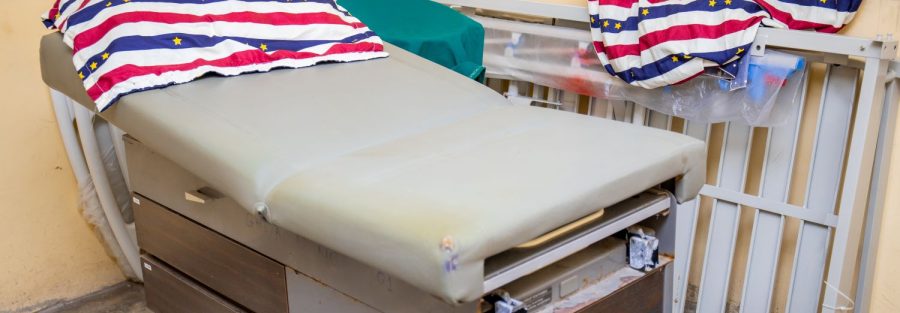
“No-bed syndrome” is not a new phrase in Ghana’s health system. It is a long-standing and deeply troubling crisis that continues to cost lives.
In 2018, following the death of 70-year-old Prince Anthony Opoku-Acheampong, who was reportedly turned away from seven major health facilities over claims of “no beds”, Dr. Anthony Nsiah-Asare, then Director-General of the Ghana Health Service, publicly condemned the actions of the hospitals involved. He subsequently directed that no Ghana Health Service facility should turn away emergency cases on the excuse of bed shortages.
Yet, in 2026, Ghana is confronted with another heartbreaking story. A hit-and-run victim in Accra was reportedly denied emergency treatment at the Police Hospital, the Greater Accra Regional Hospital, and the Korle Bu Teaching Hospital before eventually succumbing to his injuries.
This was an avoidable death. When a critically injured person is transported to major referral facilities yet cannot receive immediate stabilizing care, the system has failed. Sadly, this is not an isolated occurrence.
In Ghana, road traffic injuries remain a significant and growing contributor to preventable mortality, particularly in urban centres with high traffic density. In such contexts, emergency preparedness and rapid stabilization must be non-negotiable.
Beyond institutional responses, these tragedies leave behind grieving families, whose lives are permanently altered. The loss of a loved one under circumstances that could potentially have been prevented intensifies the suffering of families.
Ghana is not without policy guidance on emergency care. National emergency care and referral guidelines exist. The Ghana Health Service has, on several occasions, cautioned facilities against refusing emergency cases, emphasizing that patients in critical condition must not be turned away. The Ministry of Health’s national health policy framework recognizes emergency services as a core component of equitable access to healthcare. Furthermore, Ghana’s commitment to Universal Health Coverage guarantees access to essential health services, including emergency stabilization. The issue, therefore, is not the absence of frameworks but persistent gaps in implementation, coordination, monitoring, and enforcement.
While investigations have reportedly commenced, the process must not end with a routine inquiry. For public confidence to be restored, the investigation should be independent, transparent, and time-bound. It must determine whether national emergency and referral guidelines were adhered to and identify any institutional or individual negligence. Where breaches or professional misconduct are established, appropriate sanctions should follow without delay.
There must be renewed commitment to enforcing existing emergency care protocols, beyond the investigation, to ensure that policies move from documents to practice. Compliance mechanisms must be strengthened. Referral coordination must improve. Empathy in health professionals must be restored. Facilities must be held accountable for ensuring that emergency stabilization is never compromised.
In the medium term, structural reforms must also be prioritized. The government should consider establishing a dedicated Emergency Trauma Unit in Accra to significantly reduce preventable deaths from road traffic injuries and other critical emergencies.
This must not become another preventable tragedy that fades from public memory without systemic reform. Ghana has the policies and expertise. What is required now is enforcement, accountability, and sustained political will to ensure that the health system functions decisively when life hangs in the balance.