
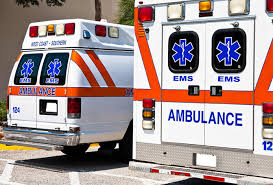
In February 2026, a hit-and-run victim in Accra was rushed from the Police Hospital to the Greater Accra Regional Hospital, and finally to the Korle Bu Teaching Hospital. At each stop, critical minutes passed, life-saving care was delayed, and he did not survive. This was not because his injuries were beyond treatment, but because the system could not respond in time, with each hospital citing a lack of available beds. Tragically, this is not an isolated incident. Over the years, many similar cases have been reported, yet the situation remains the same.
Trauma care refers to the specialized and coordinated medical response required to treat severe injuries resulting from road crashes, industrial accidents, and other life-threatening emergencies. It goes beyond routine emergency care, focusing on rapid assessment, stabilization, and definitive treatment within the critical window when lives can still be saved.
Currently, there is a growing burden of trauma cases. According to the National Road Safety Authority, road crashes increased from 13,489 in 2024 to 14,743 in 2025. The Greater Accra Region recorded the highest number of crashes at 4,533. These crashes resulted in 16,714 injuries, 2,949 deaths, and 2,561 pedestrian knockdowns, including 2,621 adults and 328 children. These figures represent lives lost, families disrupted, and an urgent need to strengthen trauma care systems to prevent avoidable deaths and long-term disabilities.
Despite the rising number of trauma cases, there is a notable lack of dedicated, fully equipped trauma and emergency centres, leaving one of Ghana’s leading hospitals for advanced medical treatment, such as the Korle Bu Teaching Hospital, overwhelmed in handling complex emergency cases. Trauma and emergency care remain disorganized. Emergency services are often overstretched, and as a result, patients are frequently transferred between facilities in search of care, losing valuable time that could be critical for survival.
Addressing this challenge necessitates urgent investment in trauma care infrastructure, professional training, and coordinated emergency systems. Establishing at least one fully equipped trauma centre in Accra, Kumasi, and Tamale, and integrating it into the national emergency response system would significantly improve outcomes. Investment in specialized training for health professionals and the provision of modern trauma care equipment are equally critical. These measures are crucial for developing a responsive trauma care system that can save lives when it matters most.
A dedicated trauma facility would transform emergency care delivery, enabling faster response and immediate treatment for critically injured patients, reducing delays that often cost lives, and improving survival rates. It would also enhance coordination across emergency services, ensuring that patients receive timely and appropriate care without being shuttled between multiple hospitals.
The time to act is now. The time to build a dedicated trauma facility is now. Every preventable death on Ghana’s roads and in our hospitals is a reminder that the system is failing those who need it most. Policymakers, the Ministry of Health, and the public must recognize that trauma care is a life-or-death necessity. Ghana already has the human resources, medical expertise, and institutional capacity to save these lives; what is required is prioritization, investment, and coordinated action. Delay is costly, and the longer reforms are postponed, the more families will suffer the irreversible loss of loved ones. We cannot allow preventable deaths to continue when solutions exist.