Accurate, responsible and evidence-based media reporting plays an important role in shaping public understanding of Sexual and Reproductive Health and Rights (SRHR). Yet, when issues such as adolescent pregnancy, contraception and Reproductive Health Education (RHE) are discussed without sufficient context or reliable information, media coverage can unintentionally reinforce misinformation, stigma and misconceptions.
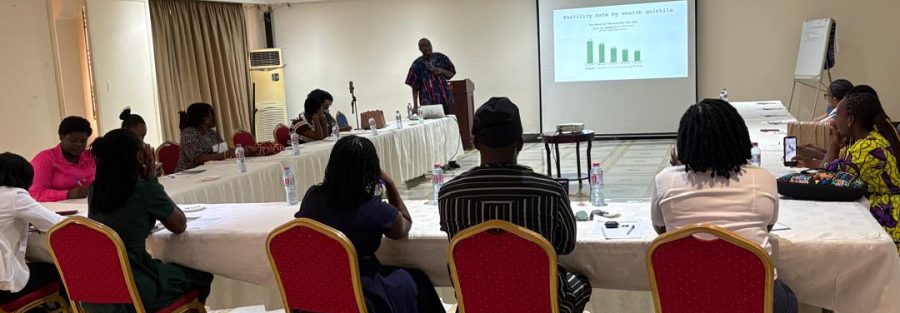
Recognising the influence of the media in shaping public conversations and holding institutions accountable, ARHR, with support from the United Nations Population Fund (UNFPA), organised three media capacity-building trainings in Accra, Techiman and Dambai on 8, 19 and 21 October 2026, respectively.
The engagements brought together nearly 60 journalists across the three locations to strengthen their understanding of SRHR and improve the quality, accuracy and sensitivity of reporting on reproductive health issues, particularly at a time when conversations around gender equality, adolescent health and reproductive health education continue to attract competing narratives.
Equipping Journalists with the Right Information
The trainings focused on strengthening journalists’ understanding of key SRHR concepts and their ability to communicate these issues accurately and responsibly.
Discussions explored Ghana’s adolescent pregnancy and childbearing trends, the implications of teenage pregnancy for national development, and the importance of ensuring that young people have access to accurate reproductive health information.
Participants also examined the challenges associated with reporting on sensitive health issues, including the need to avoid sensationalism, stigmatising language and narratives that perpetuate misinformation.
A central part of the engagement was the recognition that journalists are not merely channels through which information is disseminated. They also influence how communities interpret health issues, understand their rights and engage with public institutions.
When reporting is grounded in evidence and informed by credible expertise, the media can help challenge misconceptions, promote informed public dialogue and draw attention to gaps in health service delivery and policy implementation.
Addressing Misinformation and Emerging Anti-SRHR Narratives
The growing spread of misinformation and opposition to aspects of sexual and reproductive health and rights make informed media engagement increasingly important.
Without access to credible information and appropriate technical resources, journalists may find it difficult to navigate contentious discussions or distinguish evidence-based information from misleading claims.
The trainings therefore provided an opportunity to examine how journalists can approach these conversations with professional responsibility, balance and a clear understanding of the health and rights implications.
ARHR emphasised the importance of reporting that prioritises facts, gives appropriate context and ensures that the voices and experiences of women, girls and young people are represented fairly.
Towards More Informed Public Conversations on SRHR
Reaching nearly 60 journalists across Accra, Techiman and Dambai represents an important step in ARHR’s broader efforts to strengthen public understanding of sexual and reproductive health and rights and promote accountability in health service delivery.
With support from UNFPA, the initiative underscores the importance of investing in media capacity as part of wider efforts to advance reproductive health rights and ensure that public conversations are informed by evidence rather than misconceptions.
A well-informed media is essential to ensuring that issues affecting women, girls and young people receive the informed, balanced and responsible attention they deserve. ARHR will continue to engage relevant stakeholders to promote accurate reporting, strengthen public awareness and advance a rights-based approach to healthcare.