
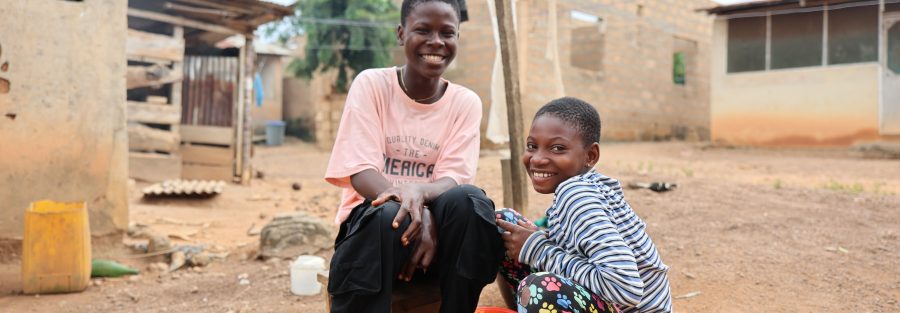
Ghana stands at a critical demographic moment. With a large and youthful population, the country’s social and economic future will depend significantly on how well it supports young people to make informed and autonomous decisions about their sexual and reproductive health and rights (SRHR). Although Ghana has made notable progress in expanding education and health services, many young people still face barriers that limit their ability to exercise control over their bodies, relationships, and life choices. Strengthening youth agency in SRHR is a public health priority and a national development necessity.
Why Youth Agency Matters
Youth agency refers to the capacity of young people to make informed decisions, access services, and act on choices affecting their well-being without fear, stigma, or structural constraints. In the SRHR context, this includes access to accurate information, contraception, youth-friendly health services, and supportive social environments that enable responsible decision-making.
Evidence consistently shows that when young people are empowered with knowledge and decision-making skills, rates of unintended pregnancy, unsafe abortion, sexually transmitted infections (STIs), and school dropout decline. Conversely, limited agency contributes to poorer health outcomes, interrupted education, and reduced economic opportunities. Given that adolescents constitute a significant proportion of Ghana’s population, SRHR outcomes among young people have direct implications for gender equality, workforce productivity, and long-term national development.
Persistent SRHR Challenges Among Ghanaian Youth
Despite existing policies and programmes, several challenges continue to undermine young people’s ability to exercise agency.
High adolescent pregnancy rates remain a major concern. Between 2016 and 2020, Ghana recorded more than 542,000 pregnancies among girls aged 15–19 and over 13,000 among girls aged 10–14[1]. Teenage pregnancy cuts across regions, with some areas experiencing particularly high burdens. For instance, the Upper East Region recorded over 2,400 teenage pregnancies within just five months in 2025[2]. These figures reflect persistent gaps in access to comprehensive SRH education, contraception, and supportive services.
The consequences extend far beyond health outcomes. Early pregnancy is closely linked to school dropout, reduced educational attainment, increased maternal health risks, and long-term poverty cycles affecting both young mothers and their families. Estimates[3] indicate that about 15% of Ghanaian women aged 15–19 have experienced pregnancy, underscoring the scale of the issue.
Limited access and utilization of SRHR services further complicate the situation. Availability of services does not automatically translate into use. Studies show that awareness and uptake of SRHR services among adolescents remain low; in one district study[4], more than 90% of adolescents were not using available services due to stigma, poor knowledge of their rights, and lack of supportive communication environments. Additionally, the unmet need for family planning among unmarried young women stands at approximately 44%[5], revealing a significant gap between service provision and actual access.
HIV and STI vulnerability also remains high among young people. Risky sexual behaviours, limited negotiation power in relationships, and inadequate access to prevention services contribute to continued transmission. Young people accounted for about 31% of new HIV infections in Ghana in 2024[6], highlighting the urgency of youth-centered prevention strategies. Without the agency to negotiate safe sex, seek testing, or access contraception, young people remain exposed to preventable health risks.
Beyond service gaps, social and cultural norms play a powerful role. Taboos surrounding adolescent sexuality, stigma attached to contraceptive use, and persistent gender inequalities discourage open discussion and prevent many young people from seeking care. While public attitudes increasingly support aspects of women’s autonomy, divisions around contraception and reproductive decision-making continue to limit safe and informed access for adolescents[7].
Why Supporting Youth Agency Works
Notably, evidence from Ghana suggests that empowering young people yields measurable results. Youth-focused SRHR initiatives[8] that combine education, counseling, and accessible reproductive health services have successfully prevented thousands of teenage pregnancies within a few years by expanding informed choice and service uptake.
Digital and mobile-based SRHR platforms are also proving effective, particularly because they offer privacy and anonymity, factors that young people value when seeking sensitive information. These experiences reinforce an important lesson that young people are not the problem; when equipped with knowledge, resources, and supportive environments, they become active partners in improving health outcomes.
What Strengthening Youth Agency Should Look Like
Supporting youth agency requires coordinated, multi-sectoral action.
First, young people need comprehensive, age-appropriate, and science-based SRH education that goes beyond abstinence-only approaches. Effective education should address consent, healthy relationships, contraception, pregnancy prevention, STI and HIV prevention, gender equality, and bodily autonomy. Accurate and age-appropriate knowledge enables informed decisions and reduces risky behaviour.
Second, health systems must provide youth-friendly services. Facilities should be safe, confidential, and non-judgmental spaces where young people feel respected. Key elements include trained providers, affordable or free services, flexible service hours, and strong privacy protections. Evidence shows that utilization increases significantly when young people feel welcomed rather than judged.
Third, strengthening agency requires supportive community environments. Parents, guardians, faith leaders, and community influencers play essential roles in reducing stigma and encouraging open dialogue. Youth empowerment does not exclude adults; rather, it depends on intergenerational support systems that promote informed guidance and trust.
Finally, young people must be recognized as partners in decision-making, not merely beneficiaries. Meaningful youth participation in policy design, programme implementation, and evaluation ensures that interventions respond to real needs and lived experiences.
Youth SRHR Agency is a Development Issue, not Just a Health Issue
Investing in youth SRHR agency yields broad social and economic benefits. Improved SRHR outcomes contribute to higher school completion rates, reduced maternal and infant mortality, increased economic participation among young women, lower long-term healthcare costs, and stronger national productivity. When young people can plan their lives and families, countries benefit from demographic and economic dividends that support sustainable development.
Conclusion: Investing in Ghana’s Future
Ghana’s young population represents immense promise, but potential alone does not guarantee progress. Persistent adolescent pregnancy, unmet contraceptive needs, and continued HIV vulnerability reveal a critical gap: many young people still lack the power and support to make informed decisions about their sexual and reproductive health.
Supporting youth agency in SRHR is not a controversial issue; it is evidence-based, economically sound, and socially necessary. By investing in comprehensive education, youth-friendly health services, supportive communities, and meaningful youth participation, Ghana can significantly improve health outcomes and unlock the full potential of its next generation.
Empowered young people make healthier choices, remain in school longer, and contribute more fully to national development. Strengthening their agency today is an investment in a healthier, more equitable, and more prosperous Ghana tomorrow.
[1] https://link.springer.com/article/10.1186/s13104-025-07564-x#ref-CR6
[2] https://mywordfmonline.com/2025/08/12/ue-r-records-2436-teenage-pregnancies-in-five-months-srhr-reveals/
[3] https://link.springer.com/article/10.1186/s40834-025-00370-7
[4] https://link.springer.com/article/10.1186/s12913-023-10447-1
[5] https://www.afro.who.int/countries/ghana/news/ghana-advances-adolescent-health-new-regional-and-global-guidance
[6] https://www.afro.who.int/countries/ghana/news/ghana-advances-adolescent-health-new-regional-and-global-guidance
[7] https://arhr.org.gh/wp-content/uploads/2025/04/Baseline-Survey-Report.Final_.pdf
[8] https://arhr.org.gh/reproductive-health-education-and-services-for-young-people/